
Is Kerala Food Spicy? What to Expect When Trying Kerala Cuisine
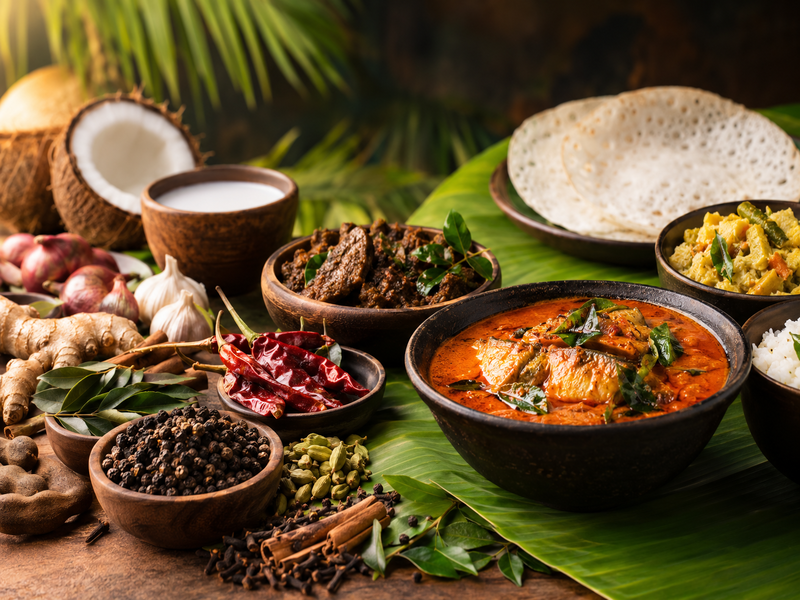
As diners embark on the journey of South Indian cuisine, one question is frequently asked: Is food from Kerala spicy? However, because India is internationally known for its scorching heat and spicy curries, people presume that the dishes of Kerala must follow a similar incendiary strain also. But the long short of course is no Kerala food is not just about the heat from your chilis but layered and nuanced spice profiles to fill your kitchen with fragrance balanced by coconut, sweet tart tropical fruits, and fresh herbs.
So, what’s the Difference Between Hot and Spiced?
In order to discover Kerala cuisine, you would have to sort out heat (chilly burn) and flavourful spice (aroma depth). Fiery chilies are excepted sparingly in certain dishes but at the heart of Kerala cooking are aromatic spices like:
- Black Pepper: The spice from native Kerala, it gives a spicy, warm, woody bite rather than penetrating heat.
- Cardamom, Cinnamon and cloves: Popular sweet warm spices used add depth to biryanis and stews.
- Temperatures in hot oil to make a Savory aroma base. Mustard seeds and curry leaves!
- Instead of using raw chili powder to drown your palate, dishes from Kerala effectively utilize spices to build fragrant satisfying depth.
What Softens the Heat?
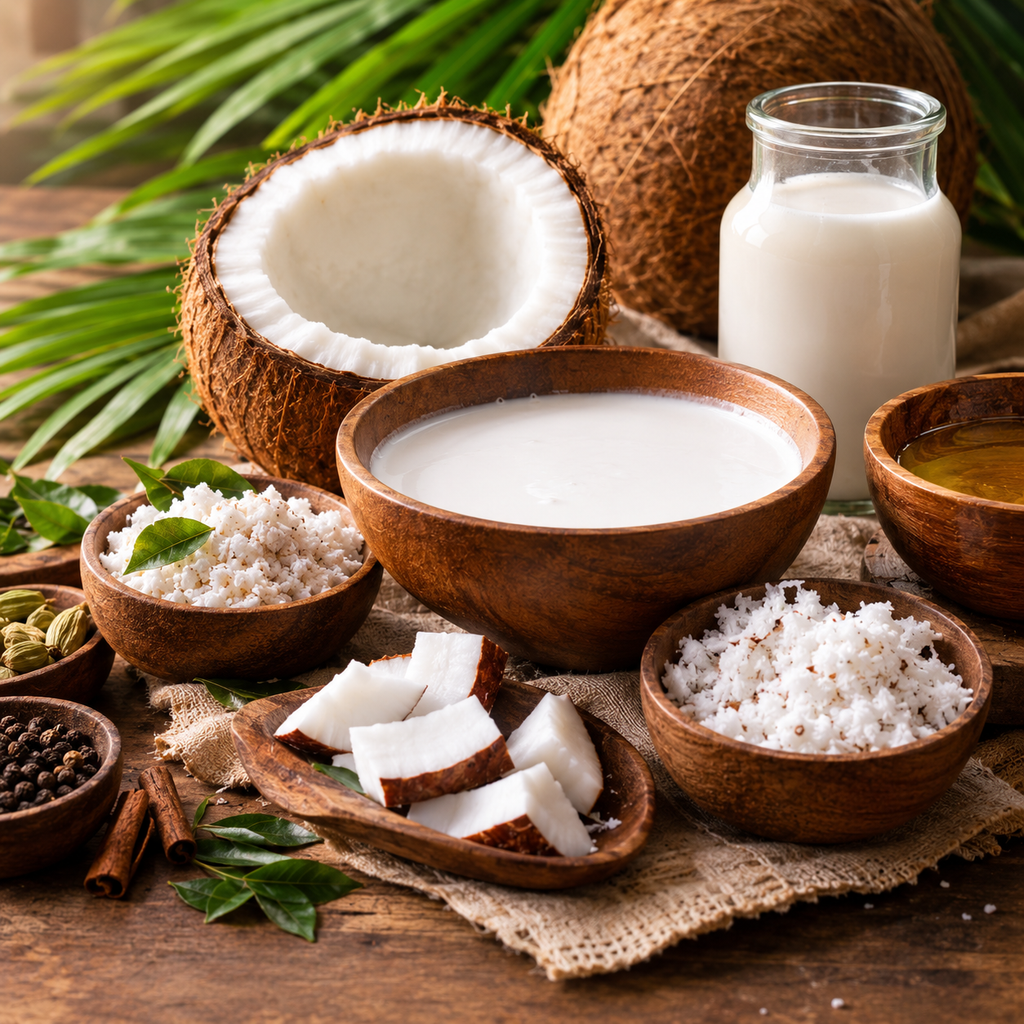
Coconut is the real hero when it comes to cooking in Kerala. Coconut makes an appearance in just about every way possible shredded, toasted, pulverized to a puree or pressed into coconut milk and it functions as a nature-made coolant that tempers the heat. Coconut oil then provides a luscious, creamy coating across the palate.
Savor the Artfully Balanced Flavors of Kerala at Kera by Charles
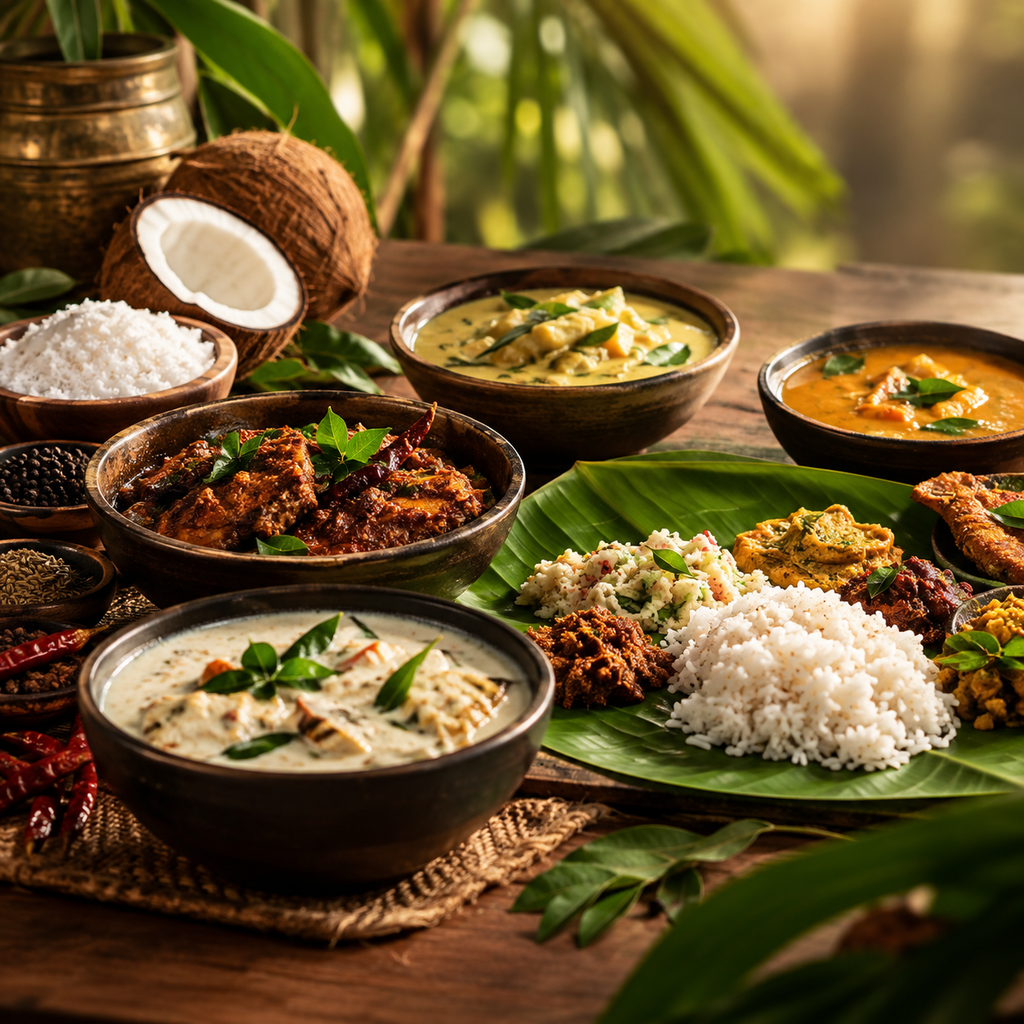
We at Kera by Charles know an indulgent South Indian food experience should be thick with flavour not intense in spiciness. Faithful to the best traditions of Kerala home-cooking, our kitchen serves up a handful of delectable dishes featuring freshly grated coconut, thoughtful native spices and fresh local produce with something to entice every palette. From calming coconut stews to fiery pepper-infused roasts, whether spicy or subtle for your pallet, explore the best of authentic dining in Australia with Kera Hospitality.
Main Ingredients That Make the Flavour Profile
- Kumpula (Malabar Tamarind): Adds a clean, smoky-sour taste to seafood dishes, blunting spice.
- Fresh Ginger and Garlic: Improves digestion and adds earthy pungency.
- Shallots (Small Onions): Adds a subtle sweetness to stir-fries and gravies.
What Should You Know Before Your First Visit
Kerala food is very accommodating of spice sensitivity, with soft and creamy dishes alongside more spicy ones.
- Mild & Creamy: Appam with Vegetable Stew, Avial, Puttur with Coconut Milk.
- Medium & Fragrant Rice: Malabar Biryani, Erissery, Thoran (dry vegetable stir-fry).
- Spicy & Fiery: Nadan Beef Fry, Kerala Fish Curry (Meen Curry), Black Pepper Chicken.
A Detailed Travel Inside the Heat Body of Kerala: Variety of Pepper + Chilies & Spice layering.
To get a full understanding of the spice level in Kerala cuisine one has to go down and look at how Spice introduced the whole cooking process. In contrast to western cooking styles, where spice is often a last touch or sauce, Kerala masters an evolving foundation of spice that creates depth over a course of time.
Why Black Pepper, not Red Chilies?
In fact, black pepper was the only source of heat until Portuguese traders introduced red chilies back in India. Along Kerala’s coast, from where it originally travelled down centuries ago, hot waters assumed precedence even later on. also referred to as “Black Gold,” Malabar pepper imparts a pungent, dry, and woody heat that engulfs the throat rather than scorching the tongue. Regularly used coarsely crushed black pepper is the main ingredient of many dishes such as Kerala Pepper Chicken or Kuttanadan Duck roast. The result is an inviting heat, combined with layered pine and citrus notes.
For one, red chilies — fresh green ones and dry red Kashmiri chilies are used in a more temperate way. Kashmiri chili powder is especially liked, not for punchy heat but its deep, bright red colour and mild earthiness.
Regional Differences: North Spicy and South Mild
The intensity of spices also varies as we travel through Kerala:
Malabar Coast (North of Kerala): Rich aromatic and moderate spice levels Thalassery Biryani, for example, often uses coconut milk and whole aromatic spices such as cardamoms, star anise and cloves.
Central Kerela (Kottayam & Idukki) – The punchier, hotter meats and seafood come to the fore here. Firey red curries such as Kottayam Fish Curry here, deploy a sharper mix of red chili and sour tamarind.
Southern Kerala (Travancore): Usually, have mild to moderate heat with fairly balanced coconut-heavy vegetarian gravies.
Customized Tolerance: A Tip with Your Spice
Perception especially whilst dining out and one is touchy about the warmth degree; Kerala cuisine is extraordinarily adaptability in nature. A spicier main like Nadan Beef Roast is easily offset with cooling sides like Pachadi (a spiced yoghurt and cucumber dish), more steamed Matta rice or fresh coconut water.
Summary
So, is Kerala food spicy? It is, but that never fair dimensions. Kerala food is less about sheer heat, more about harmony, nuance and fragrance. Its gentle coconut bases and gently aromatic seasonings make it a friendly restaurant for every palate.